Indoor vs Outdoor CCTV Cameras Explained: Key Differences
Choosing the right CCTV camera is an important part of building an effective security system. Understanding the difference between indoor vs outdoor CCTV cameras can help businesses and property owners select security equipment that matches their environment, security requirements, and installation location.
The main difference between indoor and outdoor CCTV cameras is their design and ability to withstand environmental conditions. Indoor CCTV cameras are primarily designed for controlled environments, while outdoor CCTV cameras are built to withstand rain, dust, temperature fluctuations, and direct sunlight. Choosing the right type can improve surveillance coverage, camera durability, and overall security.
At FGEE, businesses can access CCTV and security solutions designed to support different surveillance requirements. The right solution depends on factors such as where cameras will be installed, the level of exposure to the elements, the area being monitored, and the security risks involved.
What Are Indoor CCTV Cameras?
Indoor CCTV cameras are surveillance cameras designed primarily for use inside buildings and other protected environments. They are commonly installed in offices, shops, reception areas, corridors, schools, warehouses, hotels, and other indoor spaces.
Because indoor cameras are generally protected from rain, extreme weather, and direct environmental exposure, they may not require the same level of weather resistance as outdoor models.
Common indoor CCTV applications include monitoring:
- Office entrances and reception areas
- Retail stores
- Corridors and hallways
- Warehouses
- Cashier and customer service areas
- Schools and institutions
- Hotel common areas
- Residential interiors
Indoor cameras can provide businesses with visibility over important areas and help monitor activity, deter inappropriate behaviour, and support investigations when incidents occur.
What Are Outdoor CCTV Cameras?
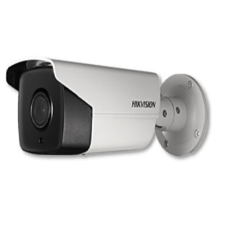
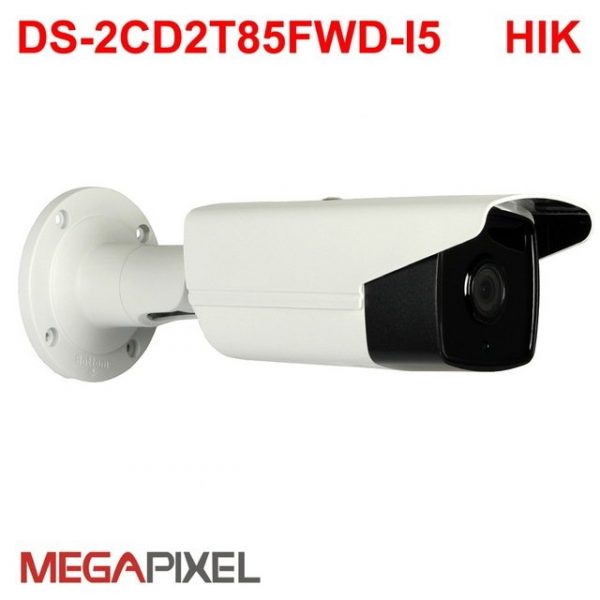
Outdoor CCTV cameras are specifically designed for surveillance in exposed environments. Unlike indoor cameras, they need to operate reliably despite changing weather and environmental conditions.
Outdoor cameras are commonly installed around:
- Building entrances and exits
- Parking areas
- Perimeter walls and fences
- Gates
- Loading areas
- Warehouses
- Construction sites
- Outdoor storage areas
- Driveways and compounds
A suitable outdoor CCTV camera should be designed to withstand conditions such as rain, dust, sunlight, temperature fluctuations, and other environmental factors.
For businesses that need to monitor the outside of their premises, selecting a camera designed for outdoor use is essential.
Indoor vs Outdoor CCTV Cameras: What Is the Difference?
Although both types of cameras perform the same fundamental function—video surveillance—their construction, features, and intended environments can differ significantly.
1. Weather Resistance
One of the biggest differences between indoor and outdoor CCTV cameras is weather resistance.
Outdoor cameras are typically designed with protective housings that help protect internal components from environmental exposure. Depending on the specific model, this may include protection against water and dust.
Indoor cameras generally do not require the same level of protection because they are installed inside controlled environments.
When choosing an outdoor camera, businesses should check its stated environmental protection rating rather than assuming that any CCTV camera can safely be installed outside.
2. Durability
Outdoor surveillance equipment generally needs to withstand harsher conditions than indoor equipment.
Outdoor cameras may be exposed to:
- Rain
- Dust
- Wind
- Sunlight
- Temperature changes
- Accidental impact
- Tampering
For this reason, outdoor CCTV cameras are often constructed with more robust housings.
Indoor cameras are usually installed in locations where they have less exposure to these risks. However, durability is still important, particularly in high-traffic commercial environments.
3. Installation Location
The intended installation environment is one of the easiest ways to determine whether you need an indoor or outdoor CCTV camera.
If the camera will be installed inside an office, shop, corridor, or reception area, an indoor camera may be appropriate.
If it will be installed outside a building, above a gate, in a parking area, or along a perimeter wall, an outdoor camera is generally more suitable.
At FGEE, security requirements can be assessed based on the physical environment and areas that need to be monitored, helping businesses select CCTV equipment appropriate for the installation location.
4. Night Vision and Low-Light Performance
Security threats do not stop when the sun goes down. For many businesses, nighttime surveillance is therefore an important consideration.
Both indoor and outdoor CCTV cameras can offer night vision or low-light capabilities, but the required performance depends on the environment.
Outdoor cameras may need to monitor large areas with limited ambient lighting, such as:
- Parking lots
- Gates
- Compounds
- Building perimeters
- Loading zones
When selecting a CCTV system, businesses should consider how well the cameras perform under the actual lighting conditions where they will be installed.
5. Field of View
Field of view refers to the area that a camera can capture.
The right field of view depends on the location and surveillance objective. A small office entrance may require a different camera configuration from a large parking area or warehouse perimeter.
Outdoor areas may sometimes require wider coverage or multiple cameras to eliminate blind spots.
Professional planning can help determine camera placement, viewing angles, and the number of cameras required.
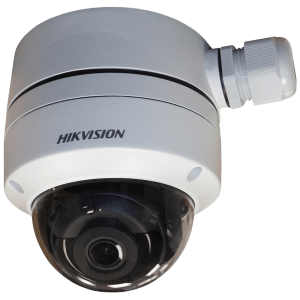
6. Mounting and Positioning
Indoor CCTV cameras are often mounted on ceilings, walls, or other interior structures.
Outdoor cameras may require more careful positioning because they must cover the intended area while also being protected from environmental exposure and potential tampering.
The installation height, viewing angle, lighting, surrounding structures, and accessibility should all be considered.
Simply installing a camera where it is convenient may create blind spots or produce footage that is less useful during an incident.
7. Maintenance Requirements
All CCTV systems require some level of maintenance, but outdoor cameras can require additional attention because they are exposed to environmental conditions.
Dust, dirt, rain, insects, and other factors can affect the camera housing or lens over time.
Regular maintenance can help ensure that cameras continue to provide clear footage and operate reliably.
Businesses should therefore consider ongoing maintenance when planning their CCTV security systems rather than treating installation as a one-time activity.
Indoor vs Outdoor CCTV Cameras Comparison
| Feature | Indoor CCTV Cameras | Outdoor CCTV Cameras |
|---|---|---|
| Primary use | Indoor surveillance | Outdoor surveillance |
| Weather resistance | Usually limited | Designed for environmental exposure |
| Typical locations | Offices, shops, corridors | Parking areas, gates, compounds |
| Durability requirements | Moderate | Generally higher |
| Exposure to rain and dust | Low | High |
| Night vision | Available on many models | Commonly important |
| Installation | Walls and ceilings | Walls, poles, gates and outdoor structures |
| Maintenance | Generally lower | May require more frequent cleaning |
| Main consideration | Indoor environment and coverage | Weather protection, coverage and durability |
The table provides a general comparison. Actual features vary between CCTV models, so businesses should always check the manufacturer’s specifications before purchasing or installing equipment.
Where Should You Use Indoor CCTV Cameras?
Indoor CCTV cameras are suitable for areas where the equipment is protected from outdoor environmental conditions.
Common applications include:
Offices
Cameras can monitor entrances, reception areas, corridors, and other common spaces.
Retail Stores
Indoor surveillance can help businesses monitor customer areas, entrances, exits, and other important locations.
Warehouses
Cameras can provide visibility over inventory areas, aisles, loading points, and staff-access areas.
Schools and Institutions
Indoor cameras can be used in appropriate common areas to support security monitoring.
Hotels and Commercial Buildings
Indoor surveillance can help monitor reception areas, corridors, entrances, and other shared spaces.
Where Should You Use Outdoor CCTV Cameras?
Outdoor cameras are generally more appropriate for areas exposed to weather or environmental conditions.
Businesses may use outdoor CCTV cameras to monitor:
- Gates and entrances
- Parking areas
- Perimeter walls
- Building exteriors
- Compounds
- Loading zones
- Outdoor storage
- Construction sites
Outdoor surveillance is particularly important where security risks exist beyond the walls of a building.
For example, monitoring a gate with an outdoor camera can provide visibility over people and vehicles entering or leaving a property.
Can You Use Indoor CCTV Cameras Outdoors?
Generally, an indoor CCTV camera should not be installed outdoors unless the manufacturer specifically states that it is suitable for outdoor use.
Indoor cameras may not have the weather protection necessary to withstand rain, dust, humidity, sunlight, or temperature changes.
Using equipment outside its intended environment can result in reduced performance, damage, and a shorter operating life.
Businesses should therefore select cameras according to the actual installation environment rather than assuming that all CCTV cameras are interchangeable.
Can Outdoor CCTV Cameras Be Used Indoors?
Yes, outdoor-rated cameras can generally be used indoors if their design and features are suitable for the application.
However, an outdoor-rated camera may provide capabilities that are unnecessary for some indoor environments.
For example, if a camera is being installed inside a climate-controlled office, extensive weather protection may not be a priority.
The better approach is to select a camera based on the specific security requirements, environment, budget, and desired functionality.
How to Choose the Right CCTV Camera for Your Business
Selecting CCTV equipment should involve more than deciding between indoor and outdoor cameras.
Businesses should consider several factors.
1. Identify the Areas That Need Monitoring
Start by identifying entrances, exits, parking areas, storage rooms, corridors, perimeters, and other locations where surveillance is required.
2. Assess the Environment
Determine whether each camera will be installed indoors or outdoors and identify environmental conditions that could affect performance.
3. Determine the Required Coverage
Consider the size of the area and whether one camera can provide sufficient coverage or multiple cameras are required.
4. Consider Lighting Conditions
Evaluate whether the camera will operate during daylight, at night, or in areas with limited lighting.
5. Consider Image Quality
The required image resolution depends on what the business needs to identify. Monitoring general movement may require different capabilities from identifying faces, vehicles, or other details.
6. Consider Storage Requirements
CCTV systems need somewhere to store recorded footage. Storage requirements depend on factors such as the number of cameras, recording resolution, frame rate, and retention period.
7. Consider Installation and Maintenance
A reliable CCTV system requires appropriate installation, configuration, and ongoing maintenance.
This is where working with a professional security solutions provider can make a significant difference.
Why Professional CCTV Installation Matters
Buying high-quality CCTV cameras does not automatically guarantee an effective surveillance system.
Poor camera placement can create blind spots, obstruct important views, or capture footage from an ineffective angle.
Professional installation considers factors such as:
- Camera positioning
- Coverage areas
- Viewing angles
- Lighting
- Cabling
- Network connectivity
- Recording equipment
- Storage
- System configuration
- Future expansion
- Maintenance requirements
A professionally planned system can provide better coverage and make the CCTV investment more effective.
CCTV Security Solutions from FGEE
Choosing between indoor and outdoor CCTV cameras is only one part of developing an effective security system. Businesses also need to consider camera placement, coverage, recording, storage, installation, maintenance, and future security requirements.
FGEE provides CCTV and security solutions designed to help businesses protect their premises and monitor important areas more effectively. By considering the environment, business operations, and specific surveillance requirements, FGEE can help organizations identify CCTV solutions that are appropriate for their security needs.
Whether surveillance is required inside an office, across a retail environment, around a warehouse, or throughout an outdoor compound, the right CCTV system should be selected based on the risks and areas that need to be monitored.
Working with FGEE can help businesses take a more structured approach to CCTV installation and security planning instead of selecting cameras based solely on price or specifications.
Common Mistakes When Choosing CCTV Cameras
Businesses can reduce the effectiveness of their surveillance systems by making several common mistakes.
Choosing Based Only on Price
The cheapest CCTV camera may not provide the durability, image quality, coverage, or features required for the intended environment.
Installing Indoor Cameras Outdoors
Indoor cameras may not be designed to withstand outdoor environmental conditions.
Ignoring Lighting Conditions
A camera that performs well during the day may not provide equally useful footage at night without appropriate low-light or night-vision capabilities.
Creating Blind Spots
Installing too few cameras or positioning them incorrectly can leave important areas unmonitored.
Forgetting Maintenance
Dust, dirt, damaged cables, and other issues can affect CCTV performance if maintenance is ignored.
Failing to Plan for Future Expansion
A business may grow and require additional cameras. Choosing a system that can accommodate future expansion can make upgrades easier.
Frequently Asked Questions About Indoor and Outdoor CCTV Cameras
What is the difference between indoor and outdoor CCTV cameras?
The main difference is their intended operating environment. Indoor CCTV cameras are designed primarily for protected indoor spaces, while outdoor CCTV cameras are built to withstand environmental conditions such as rain, dust, sunlight, and temperature changes.
Are outdoor CCTV cameras better than indoor cameras?
Neither is universally better. The appropriate camera depends on where it will be installed and what the business needs to monitor. Outdoor cameras are generally better suited to exposed environments, while indoor cameras are appropriate for protected interior spaces.
Can I install an indoor CCTV camera outside?
Only if the manufacturer specifically states that the camera is suitable for outdoor installation. Otherwise, an indoor camera may not have adequate protection against weather and environmental conditions.
Do outdoor CCTV cameras work at night?
Many outdoor CCTV cameras offer night-vision or low-light capabilities. However, nighttime performance varies between models, so businesses should select equipment based on the actual lighting conditions at the installation site.
How many CCTV cameras does a business need?
There is no standard number. The required number depends on the size of the property, areas that need monitoring, camera field of view, security risks, and desired coverage.
Should a business use both indoor and outdoor CCTV cameras?
Yes. Many businesses benefit from using a combination of indoor and outdoor cameras because different areas of a property have different surveillance requirements.
How often should CCTV cameras be maintained?
Maintenance requirements depend on the equipment and environment. Outdoor cameras may require more frequent cleaning and inspection because of exposure to dust, weather, and other environmental factors.
Improve Your Business Security with the Right CCTV Solution
The choice between indoor and outdoor CCTV cameras should be based on the environment, security risks, coverage requirements, lighting conditions, and long-term operational needs.
Indoor cameras are generally suitable for protected interior spaces, while outdoor cameras are designed for areas exposed to environmental conditions. However, selecting the right camera is only one part of creating an effective CCTV system. Proper planning, installation, configuration, storage, and maintenance are equally important.
For businesses looking for reliable CCTV security solutions, FGEE can help assess their surveillance requirements and identify suitable solutions for different environments. A properly designed CCTV system can provide greater visibility, support security monitoring, and help businesses protect their people, property, and operations.
Contact FGEE to discuss a CCTV security solution tailored to your business and premises.