
Why Is CCTV Security For Businesses Needed?
CCTV security for businesses is an essential part of protecting modern businesses against theft, unauthorized access, vandalism, workplace incidents, and other security risks. A well-designed CCTV security system allows businesses to monitor their premises, deter criminal activity, protect employees and customers, and provide valuable video evidence when incidents occur.
Whether you operate a retail shop, office, warehouse, school, hotel, apartment complex, or industrial facility, CCTV cameras can provide an additional layer of security and visibility.
But CCTV is no longer just about recording what happens after an incident. With modern surveillance technology, businesses can monitor their premises remotely, receive alerts, improve operational oversight, and respond to potential security threats more quickly.
What Is CCTV Security?
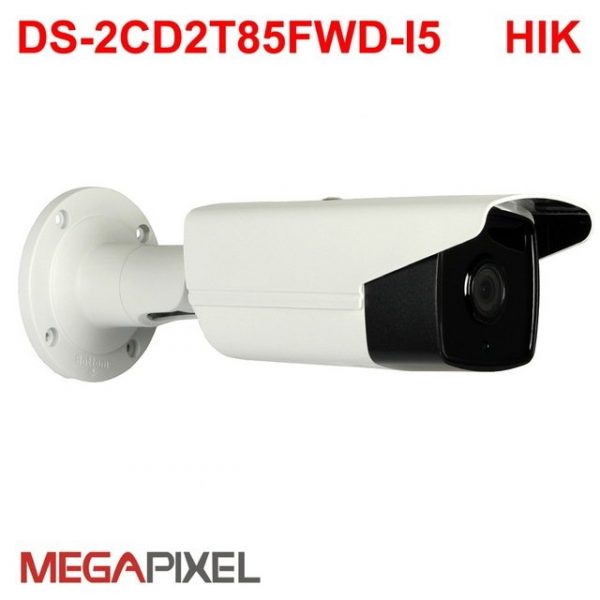
CCTV, or closed-circuit television, is a surveillance system that uses cameras to capture and transmit video to designated recording or monitoring devices.
A typical CCTV security system can include:
- CCTV cameras
- Digital video recorders (DVRs) or network video recorders (NVRs)
- Monitors and viewing devices
- Storage systems
- Network equipment
- Motion detection and security alerts
- Remote monitoring capabilities
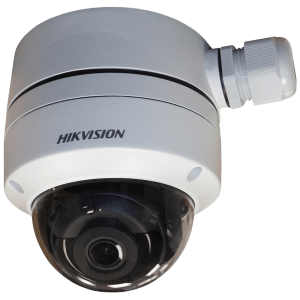
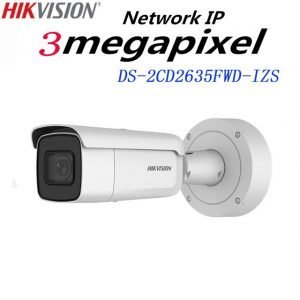
Depending on the needs of a business, CCTV cameras can be installed indoors, outdoors, at entrances and exits, in parking areas, around warehouses, at cash-handling points, and in other areas that require monitoring.
Why Is CCTV Security for Businesses Essential?
Businesses face different security challenges depending on their location, size, industry, and operations. However, CCTV security can help address several common risks.
Here are some of the most important reasons businesses should consider installing CCTV cameras.
1. CCTV Helps Deter Theft and Criminal Activity
One of the biggest benefits of CCTV security is its ability to discourage criminal activity.
Visible security cameras can make potential criminals think twice before attempting to steal property, break into a building, damage equipment, or commit other offences.
Cameras placed at entrances, exits, parking areas, storage rooms, and other vulnerable locations make it more difficult for criminals to operate unnoticed.
While CCTV cannot guarantee that a crime will never occur, it can act as an important deterrent and form part of a broader business security strategy.
2. CCTV Protects Business Property and Assets
Businesses invest heavily in equipment, stock, documents, technology, vehicles, and other valuable assets.
A CCTV surveillance system helps businesses monitor areas where valuable property is stored or used. This can be particularly important for:
- Retail stores
- Warehouses
- Offices
- Construction sites
- Schools
- Hotels
- Manufacturing facilities
- Property management companies
By monitoring these areas, businesses can identify suspicious activity and investigate incidents involving missing or damaged property.
3. CCTV Improves Employee and Customer Safety
Business security is not only about protecting physical assets. It is also about creating a safer environment for employees, customers, visitors, and suppliers.
CCTV cameras can help monitor entrances, walkways, parking areas, reception areas, and other locations where safety incidents could occur.
If an incident happens, recorded footage can help establish what took place and support an appropriate response.
For businesses that operate late at night or have large numbers of visitors, CCTV can provide an additional layer of protection.
4. CCTV Provides Valuable Evidence
When a security incident occurs, determining exactly what happened can be difficult without reliable evidence.
CCTV footage can help businesses investigate incidents such as:
- Theft
- Unauthorized access
- Property damage
- Workplace disputes
- Break-ins
- Customer incidents
- Vehicle-related incidents
- Vandalism
Recorded footage can help establish timelines, identify individuals, and provide useful evidence during investigations.
For this reason, CCTV is not simply a prevention tool. It is also an important incident-investigation tool.
5. Remote CCTV Monitoring Gives Business Owners More Control
Modern CCTV systems can allow authorized users to view their cameras remotely using a computer, tablet, or smartphone.
This means a business owner or manager does not necessarily need to be physically present at the premises to check what is happening.
Remote monitoring can be useful when:
- The business operates across multiple locations
- Owners travel frequently
- Managers need to monitor different departments
- A business operates outside normal working hours
- Security personnel need additional visibility
With the right system and configuration, businesses can monitor important areas from virtually anywhere with an internet connection.
6. CCTV Helps Monitor Business Operations
CCTV cameras can provide benefits beyond traditional security.
Managers can use surveillance footage to understand how different areas of a business are being used and identify operational issues.
For example, CCTV may help a business monitor:
- Customer movement
- Entrance and exit activity
- Queues
- Loading and unloading areas
- Stock-handling processes
- Workplace procedures
- Parking areas
This additional visibility can help management identify areas where operational processes could be improved.
CCTV should, however, be used responsibly and in accordance with applicable privacy and data-protection requirements.
7. CCTV Can Help Protect Against Unauthorized Access
Not everyone should have access to every area of a business.
Server rooms, stockrooms, financial departments, offices, warehouses, and other restricted areas may contain sensitive information or valuable assets.
CCTV cameras positioned around access points can help businesses monitor who enters and leaves restricted areas.
When combined with access-control systems, alarms, and other security measures, CCTV can become part of a more comprehensive commercial security solution.
8. CCTV Supports Better Security Management
A good business security strategy should not rely on a single security measure.
CCTV can work alongside other technologies and procedures, including:
- Alarm systems
- Access-control systems
- Security lighting
- Security guards
- Intercom systems
- Motion sensors
- Perimeter security
For example, an alarm can alert a business to a possible intrusion while CCTV footage helps security personnel see what is happening.
This combination can provide businesses with better situational awareness and faster responses.
9. CCTV Can Be Valuable for Businesses With Multiple Locations
Businesses with several branches can face additional security and management challenges.
A centralized or networked CCTV system can make it easier for authorized managers to monitor multiple locations without physically travelling between them.
This can be particularly useful for:
- Retail chains
- Schools with multiple facilities
- Property management companies
- Warehousing businesses
- Hospitality businesses
- Corporate offices
- Industrial companies
A properly designed system can help businesses maintain consistent security standards across different premises.
10. Modern CCTV Systems Offer More Than Basic Video Recording
CCTV technology has developed significantly over the years.
Modern systems can offer features such as:
- High-definition video
- Night vision
- Motion detection
- Remote viewing
- Mobile notifications
- Wide-angle cameras
- Audio capabilities on selected devices
- Network-based surveillance
- Cloud or network storage options
- Intelligent video analytics
The right features depend on the business environment and the specific security objectives.
For example, a business operating at night may prioritize infrared night vision, while a large warehouse may require cameras with wide coverage and high-resolution imaging.
What Should a Business Consider Before Installing CCTV?
Installing CCTV cameras is not simply about buying cameras and mounting them on walls. A reliable CCTV security system should be designed around the specific risks and layout of the business.
Before installation, consider the following:
1. Identify Security Risks
Determine which areas are most vulnerable to theft, unauthorized access, vandalism, or other incidents.
2. Choose the Right Camera Locations
Cameras should provide useful coverage without creating unnecessary blind spots.
Common locations include entrances, exits, reception areas, parking spaces, storage areas, corridors, and other high-risk locations.
3. Select Suitable Camera Types
Different environments require different camera specifications.
For example, outdoor areas may require weather-resistant cameras, while poorly lit areas may benefit from cameras with effective night-vision capabilities.
4. Consider Storage Requirements
Businesses should determine how much footage they need to retain and select an appropriate recording and storage solution.
5. Plan for Remote Access
If managers need to monitor the business remotely, the CCTV system should support secure remote viewing.
6. Consider Privacy and Compliance
Businesses should install and operate CCTV responsibly. Camera placement, signage, access to recordings, storage, and use of footage should comply with applicable privacy and data-protection requirements.
Businesses should also consider privacy and data-protection requirements when installing CCTV cameras, including how footage is collected, stored, accessed, and used. For more information, see the guidance provided by the Office of the Data Protection Commissioner (ODPC).
Is CCTV Worth the Investment for a Business?
For many businesses, CCTV is a worthwhile investment because it provides multiple security and operational benefits from one system.
The value of CCTV should not be measured only by whether it prevents a particular theft or break-in. Its benefits can also include improved visibility, faster incident investigation, employee and customer safety, asset protection, and better security management.
The most important factor is choosing a CCTV system that matches the actual needs and risks of the business rather than installing cameras without a clear security plan.
Why Professional CCTV Installation Matters
The effectiveness of a CCTV security system depends heavily on how it is designed, installed, configured, and maintained.
Poorly positioned cameras can create blind spots. Incorrect settings can result in poor-quality footage. Weak network security can create unnecessary risks, while inadequate storage can cause important recordings to be overwritten too quickly.
Professional CCTV installation helps ensure that cameras are positioned strategically, equipment is configured correctly, recording requirements are considered, and the system works as intended.
For businesses, professional installation can therefore be just as important as choosing quality CCTV equipment.Businesses should also ensure that CCTV systems are properly designed and installed according to applicable standards. The Kenya Bureau of Standards (KEBS) provides standards covering CCTV surveillance system design, installation, testing, commissioning, and maintenance.
Frequently Asked Questions About CCTV Security for Businesses
Why is CCTV important for businesses?
CCTV is important because it helps businesses deter criminal activity, monitor their premises, protect people and property, investigate incidents, and improve overall security visibility.
Does CCTV prevent theft?
CCTV can help deter theft because visible surveillance increases the risk of criminal activity being detected. However, CCTV should be used together with other security measures rather than relied on as the only form of protection.
Can I monitor business CCTV remotely?
Yes. Many modern CCTV systems support remote monitoring through computers and mobile devices, allowing authorized users to view cameras when they are away from the business premises.
How many CCTV cameras does a business need?
The number of cameras depends on the size and layout of the premises, security risks, desired coverage, and areas that need monitoring. A professional site assessment can help determine the appropriate number and placement of cameras.
Should CCTV cameras be installed indoors and outdoors?
In many businesses, both indoor and outdoor cameras can be useful. Outdoor cameras can monitor entrances, parking areas, and building perimeters, while indoor cameras can monitor reception areas, storage rooms, corridors, and other important locations.
What is the difference between CCTV and a complete security system?
CCTV primarily provides video surveillance. A complete business security system may combine CCTV with alarms, access control, security lighting, intercoms, and other security technologies.
How long should CCTV footage be stored?
The appropriate retention period depends on the business’s operational requirements, storage capacity, security needs, and applicable privacy and data-protection requirements. Businesses should establish a clear footage-retention policy.
Conclusion: CCTV Is an Essential Part of Modern Business Security
CCTV security provides businesses with more than just recorded video. It can help deter theft, protect valuable assets, improve employee and customer safety, monitor business operations, support incident investigations, and give authorized managers greater visibility over their premises.
As businesses face increasingly complex security challenges, having a properly designed surveillance system can provide an important layer of protection.
The best CCTV solution is one that is designed around the business’s specific premises, risks, budget, and security objectives.
Looking to improve your business security with CCTV? FGEE can help you choose and implement a CCTV security solution designed around your business needs. Contact FGEE to discuss your CCTV installation and security requirements.
Comments (0)