
Why Businesses Need Backup Power Solutions
Power is essential to almost every modern business. From computers and printers to routers, servers, point-of-sale systems and security equipment, businesses depend on electricity to keep their daily operations running. Backup power solutions for businesses help protect these essential systems from power interruptions, reduce downtime and allow critical operations to continue when the main power supply fails.
When a power blackout occurs, even a short interruption can stop employees from working, interrupt customer transactions, disconnect internet services and potentially cause data loss or equipment damage. For businesses that experience frequent power interruptions, having a reliable backup power solutions for businesses is therefore an important part of business continuity.
A suitable backup power system can help businesses keep critical equipment running, reduce downtime and protect valuable technology.
What Are Backup Power Solutions?
Backup power solutions are systems and devices that provide electricity when the main power supply is unavailable or unstable.
For businesses, these can include:
- Uninterruptible Power Supplies (UPS)
- Surge protection devices
- Inverters
- Batteries and battery backup systems
- Generators
- Solar backup systems
- Hybrid power systems
The right solution depends on the size of the business, the equipment that needs to remain operational and how long backup power is required.
For example, a small office may only need UPS systems for computers, networking equipment and a router, while a larger organization may require a combination of UPS systems, generators, inverters or other backup technologies.
Why Do Businesses Need Backup Power?
1. Reduce Business Downtime
One of the biggest problems caused by power outages is downtime.
Employees may be unable to access computers, internet services, cloud applications or internal systems. Shops may be unable to process payments, while offices may have to stop operations until electricity returns.
A UPS can provide temporary battery power to critical equipment when the main electricity supply fails. This gives employees time to save their work, continue essential operations for a short period or shut down equipment safely.
For businesses where every hour of downtime can affect productivity and revenue, having backup power can make a significant difference.
2. Protect Computers and Other Electronics
Power interruptions are not limited to complete blackouts.
Businesses can also experience voltage fluctuations, brownouts and power surges when electricity is interrupted or restored. These electrical disturbances can potentially damage sensitive electronics.
Computers, monitors, servers, networking equipment, printers and other office technology can represent a significant investment.
Using appropriate UPS and surge protection equipment can help reduce the risks associated with unstable power.
Businesses can also learn more about protecting their equipment in our guide on how to protect electronics during power blackouts.
3. Prevent Data Loss
Unexpected power loss can cause computers and other systems to shut down suddenly.
This can result in:
- Unsaved work being lost
- Interrupted file transfers
- Corrupted files
- Interrupted database operations
- Disrupted business applications
- Potential hardware problems
A UPS provides temporary battery power when electricity fails. This can give users enough time to save important work and shut down computers properly.
For businesses operating servers, storage systems or other critical infrastructure, a properly designed backup power system becomes even more important.
4. Keep Internet and Communication Systems Running
Internet connectivity is essential for many businesses.
Companies use internet connections for email, cloud applications, online meetings, customer communication, digital payments, websites and business systems.
A power outage can switch off:
- Wi-Fi routers
- Fibre ONTs
- Network switches
- Access points
- Modems
- Communication equipment
Connecting essential networking equipment to an appropriately sized UPS can help maintain connectivity during short power interruptions.
However, backup power at the business premises cannot guarantee internet availability if the service provider’s infrastructure is also affected.
5. Keep Point-of-Sale Systems Operational
Retail stores, supermarkets, restaurants and other businesses often depend on point-of-sale systems to process transactions.
A sudden blackout can interrupt:
- Customer payments
- Receipts
- Inventory updates
- Sales records
- Card or digital payment processes
Keeping POS computers, networking equipment and other essential components on suitable backup power can reduce interruptions during short outages.
Businesses should carefully calculate the power requirements of their POS equipment before selecting a UPS.
6. Protect Expensive IT Equipment
Modern businesses can have thousands or even millions of shillings invested in technology.
A typical business may have:
- Desktop computers
- Laptops
- Servers
- Network switches
- Routers
- Printers
- CCTV systems
- Storage devices
- POS equipment
- Monitors
- Access-control systems
Replacing several damaged devices can be considerably more expensive than investing in appropriate power protection.
A backup power strategy therefore serves two purposes: keeping essential systems running and helping protect the equipment connected to it.
7. Improve Business Continuity
Business continuity means being prepared to continue essential operations when something disrupts normal business activities.
Power failure is one of the disruptions businesses should consider when developing a continuity plan.
A simple backup strategy might look like this:
Power outage → UPS switches to battery → critical systems remain powered → employees save work or continue essential tasks → alternative backup power takes over or equipment shuts down safely.
Larger organizations may require more comprehensive systems that combine UPS units with generators, solar systems or other power sources.
8. Reduce the Cost of Unexpected Downtime
The cost of a blackout is not necessarily limited to the electricity that is unavailable.
Businesses can also lose money through:
- Interrupted sales
- Lost productivity
- Missed customer orders
- Delayed services
- Data recovery
- Equipment repairs
- Replacing damaged electronics
- Disrupted communication
For example, if employees cannot work for several hours because computers and network equipment are unavailable, the business may lose productive time even though no physical equipment was damaged.
Backup power can help reduce some of these operational risks.
What Backup Power Solution Does Your Business Need?
There is no single backup power solution that works for every business.
The appropriate system depends on several factors.
Small Offices
A small office may need a UPS for:
- Desktop computers
- Monitors
- Router
- Network equipment
- Essential peripherals
A small UPS can provide enough time to save work and shut down equipment safely.
Retail Businesses
Retail businesses may need backup power for:
- POS systems
- Computers
- Routers
- Network switches
- CCTV systems
- Payment equipment
The goal is to keep essential customer-facing and security systems operational during short interruptions.
Medium-Sized Businesses
A medium-sized business may have more equipment and therefore require larger UPS systems or multiple UPS units distributed across different equipment areas.
For example, a business may use separate backup power for:
- Workstations
- Networking equipment
- Servers
- CCTV
- Communication systems
Larger Organizations
Organizations with servers, data rooms or other critical IT infrastructure may require higher-capacity UPS systems and additional backup sources.
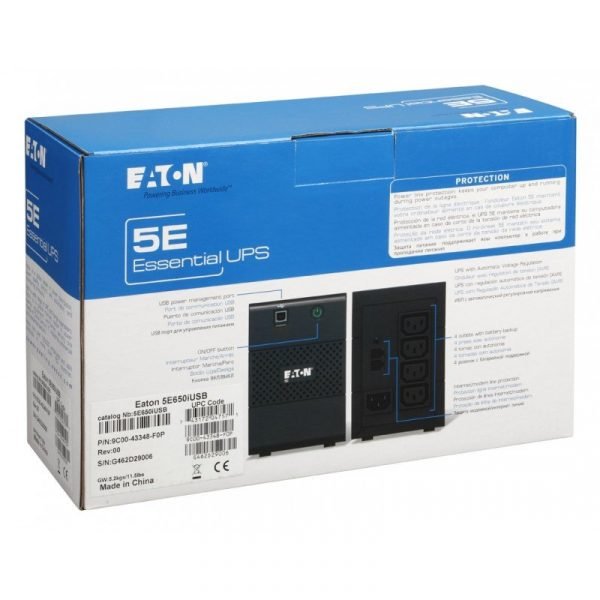
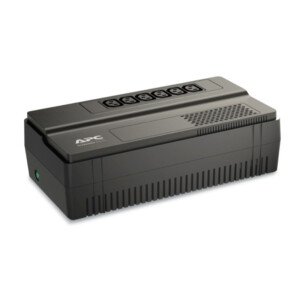
FGEE supplies UPS solutions ranging from smaller units for individual computers and networking equipment to higher-capacity systems designed for larger IT environments. For example, FGEE’s range includes APC, Eaton, Mercury and Vertiv UPS solutions.
How to Choose the Right Backup Power Solutions For Businesses
Choosing a UPS should not simply be based on the cheapest available model.
Consider the following factors:
1. Calculate Your Power Load
Determine the approximate wattage of the equipment you want to connect.
This helps you choose a UPS with sufficient capacity.
2. Consider Backup Runtime
Ask how long the equipment needs to remain operational.
If the goal is simply to save work and shut down computers safely, a short runtime may be sufficient.
Critical systems may require longer backup periods and additional power sources.
3. Check the VA and Watt Rating
UPS systems are commonly rated in VA (volt-amperes), but you should also consider their watt capacity.
The UPS needs to support the actual power requirements of the connected equipment.
4. Consider Voltage Regulation
Businesses operating in areas with voltage fluctuations may benefit from UPS systems with Automatic Voltage Regulation (AVR), depending on their equipment and power environment.
5. Plan for Future Growth
If your business is expanding, consider whether additional computers, networking equipment or other devices will be added later.
Choosing a system with appropriate capacity can make future expansion easier.
For a more detailed guide, read FGEE’s article on the best UPS for power blackouts.
UPS vs Generator: Which Does a Business Need?
UPS systems and generators serve different purposes.
A UPS provides immediate temporary battery power when the main electricity supply fails. It is particularly useful for computers, servers, networking equipment and other sensitive electronics.
A generator can provide power for a much longer period, depending on its fuel supply and capacity.
For some businesses, the two technologies can work together.
For example:
Grid power → UPS → Generator
When the grid fails, the UPS immediately provides battery power. The generator can then start and provide longer-term electricity while the UPS continues protecting critical equipment.
The appropriate setup depends on the business’s power requirements and continuity needs.
How FGEE Can Help With Business Power Backup
Choosing the right backup power equipment requires more than simply selecting a UPS based on its capacity.
Businesses need to consider the equipment they want to protect, power consumption, required runtime, available space and future expansion.
FGEE Technology provides IT hardware, networking equipment, power solutions and related technology products for businesses in Kenya.
Its UPS range includes solutions from brands such as APC, Eaton, Mercury and Vertiv, with options for different business and IT environments.
For example, FGEE offers UPS solutions suitable for individual computers and small offices as well as higher-capacity systems for servers and larger IT infrastructure.
Businesses can explore FGEE’s UPS range and contact the team for assistance in identifying a suitable power backup solution.
Frequently Asked Questions About Backup Power Solutions for Businesses
What are backup power solutions for businesses?
Backup power solutions for businesses are systems that provide electricity when the main power supply fails or becomes unstable. They can include UPS systems, generators, inverters, batteries and solar backup systems, depending on the business’s requirements.
Why does a business need a UPS?
A UPS provides immediate backup power when electricity goes off. It can help keep computers, networking equipment, servers, POS systems and other critical electronics running temporarily while allowing users to save their work or shut down equipment safely.
Can backup power prevent damage to business electronics?
Appropriate backup power equipment can help protect electronics from some power-related problems, including sudden power loss and certain voltage fluctuations. The level of protection depends on the equipment and the type of UPS or power protection system being used.
How long can a UPS power a business?
UPS runtime depends on the UPS capacity, battery capacity and the amount of equipment connected to it. A UPS designed for a few computers may provide a different runtime from a larger system supporting servers or other critical equipment.
Should a business use a UPS or a generator?
UPS systems and generators serve different purposes. A UPS provides immediate temporary power and helps protect sensitive electronics, while a generator can provide electricity for a longer period. Some businesses use both, with the UPS providing immediate backup while the generator starts.
How do I choose the right backup power solution for my business?
Start by identifying the equipment that must remain operational during a blackout and determine its total power requirements. You should also consider required backup runtime, equipment sensitivity, future expansion and whether additional systems such as generators or solar backup are needed.
Where can businesses buy UPS systems in Kenya?
Businesses in Kenya can purchase UPS systems and other IT power solutions from FGEE Technology. FGEE provides UPS options from brands including APC, Eaton, Mercury and Vertiv for different business and IT requirements.
Final Thoughts On Backup Power Solutions For Businesses
Power blackouts can affect productivity, customer service, communication and business systems. They can also expose expensive electronics to sudden power loss, voltage fluctuations and surges.
A reliable backup power solutions for businesses can help reduce downtime, protect critical equipment and maintain essential operations during power interruptions.
For a small office, this could mean a UPS for a computer, monitor and router. For a larger organization, it could involve a combination of UPS systems, generators, inverters or other backup technologies.
The important step is to identify which systems are critical to your business and select backup power equipment that matches their requirements.
If your business needs UPS systems or other IT power solutions in Kenya, FGEE Technology can help you find equipment suited to your business’s power and technology needs.
Comments (0)